
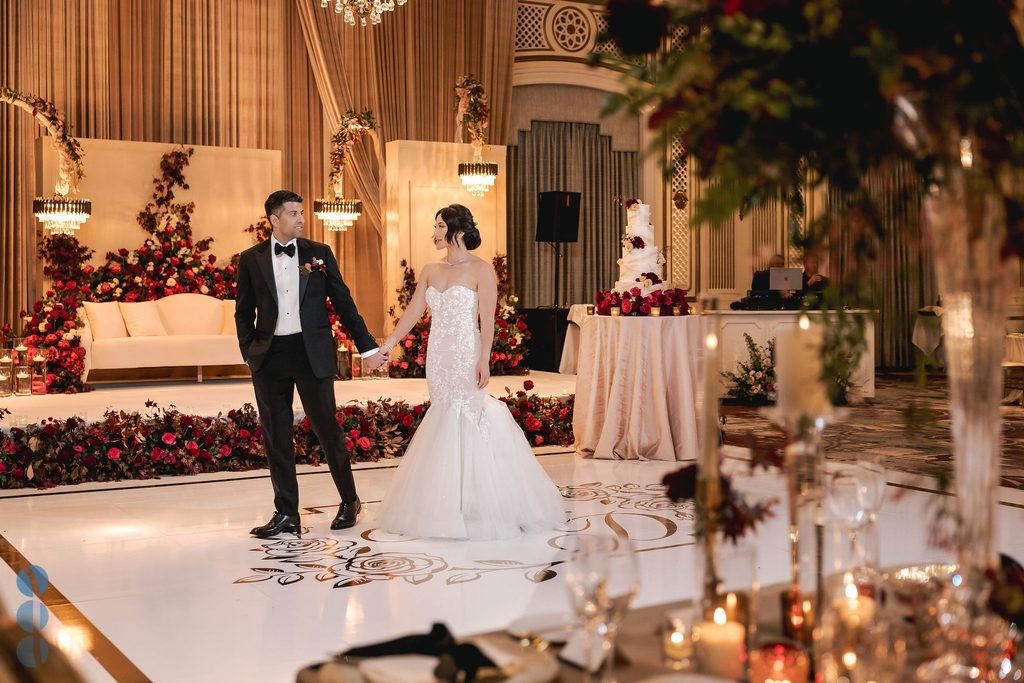
A Complete Guide to Sikh and Western Fusion Weddings in the San Francisco Bay Area
Planning a Sikh and Western wedding with two ceremonies is a beautiful way to honor both families, cultures, and traditions. However, bringing two distinct celebrations together requires thoughtful planning, careful scheduling, and an understanding of each ceremony’s significance.
For couples planning a Sikh and Western fusion wedding in the San Francisco Bay Area, the possibilities are endless. You might envision a traditional Anand Karaj at a Gurdwara, followed by an elegant Western wedding ceremony and reception. Alternatively, you may prefer to celebrate across several days, allowing each tradition its own special moment.
At Denise Lillie Engagements, we specialize in luxury multicultural and fusion wedding planning throughout San Jose, Fremont, Pleasanton, Silicon Valley, San Francisco, Napa Valley, and Northern California.
We understand that planning two wedding ceremonies involves more than coordinating vendors. It means honoring family expectations, respecting religious traditions, and creating a seamless experience for everyone involved.
Whether you’re planning an intimate celebration or an elaborate multi-day wedding, we’re here to help bring your vision to life.
Can You Have a Sikh and Western Wedding With Two Ceremonies?
Yes. Many couples wish to celebrate their marriage through both Sikh and Western traditions.
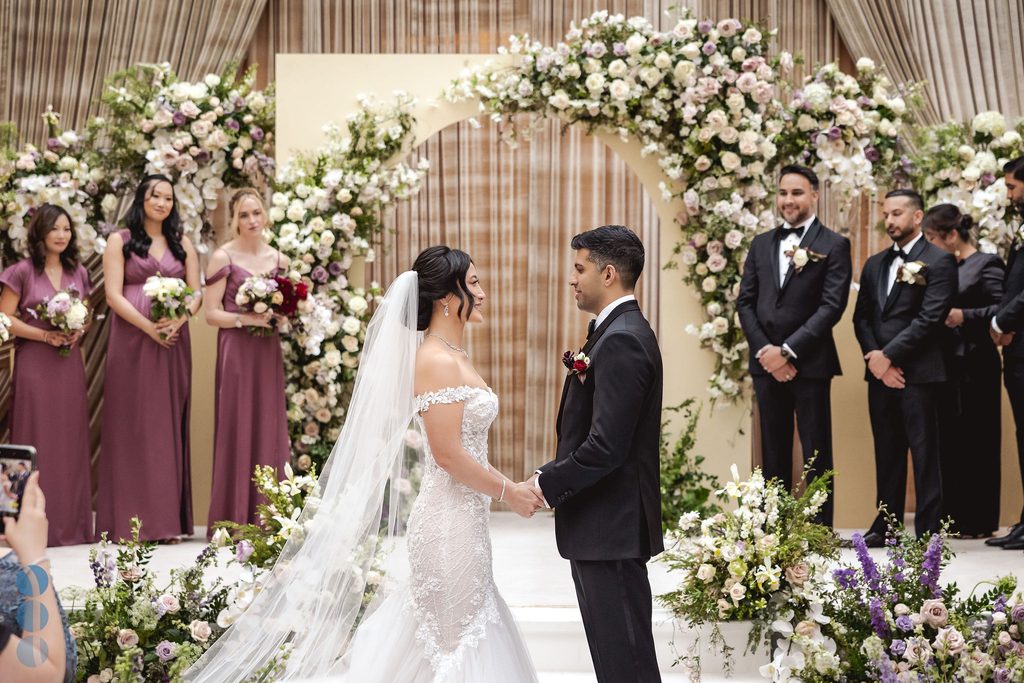
A Sikh and Western wedding may include a traditional Anand Karaj, followed by a Western-style ceremony featuring personal vows, an exchange of rings, and meaningful readings.
However, there is an important distinction.
The Anand Karaj is a Sikh religious marriage ceremony, not simply a cultural celebration. Gurdwaras follow religious requirements concerning who may participate in the ceremony. Therefore, couples planning an interfaith wedding should confirm eligibility and ceremony requirements directly with their chosen Gurdwara before making arrangements.
When both ceremonies are appropriate for the couple, thoughtful planning allows each celebration to maintain its meaning and significance.
Some couples host both ceremonies on the same day. Others choose separate days to create a more relaxed experience.
Ultimately, the right approach depends on your religious circumstances, family traditions, guest count, and wedding vision.
Understanding the Sikh Anand Karaj Wedding Ceremony
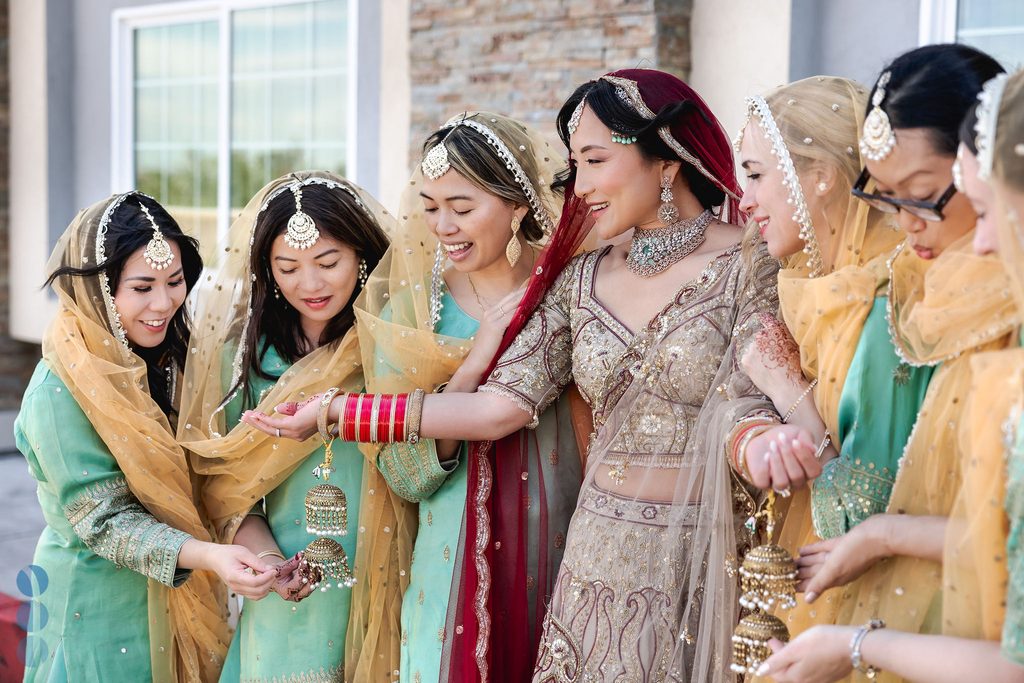
The Anand Karaj is the traditional Sikh marriage ceremony.
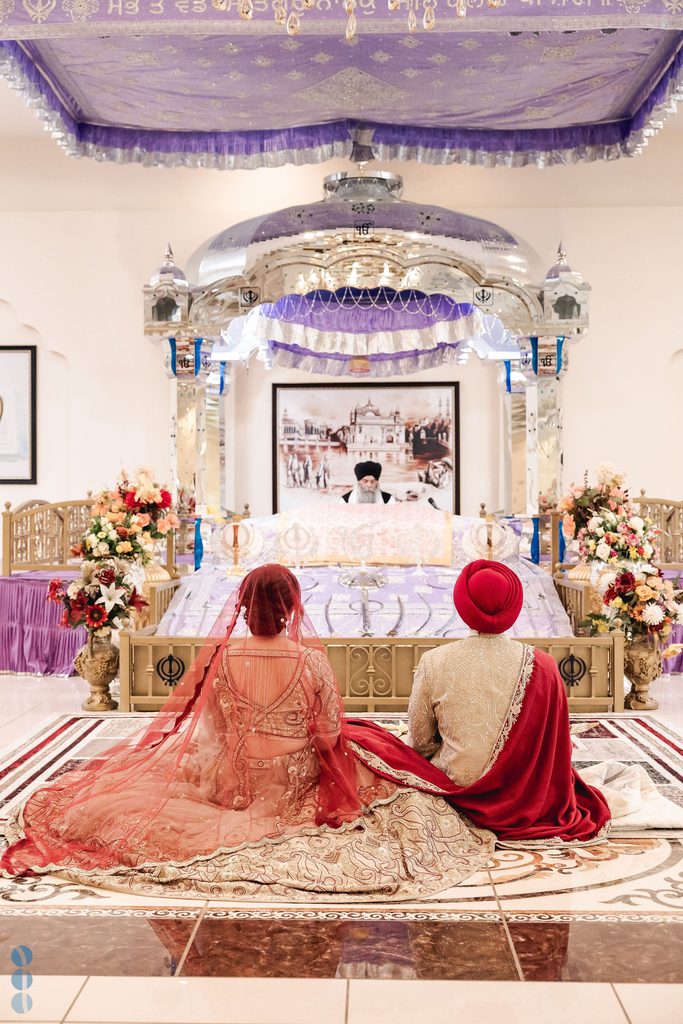
It generally takes place in a Gurdwara, where the couple participates in a sacred ceremony centered on the teachings of the Guru Granth Sahib.
The ceremony includes prayers, hymns, and the four Laavan.
During each Laav, the couple walks around the Guru Granth Sahib as the corresponding hymn is sung.
The ceremony represents the couple’s spiritual union and their commitment to a shared life.
Important Sikh Wedding Traditions
Depending on the family’s customs, a Sikh wedding celebration may include:
- Maiyan: Traditional pre-wedding celebrations and family rituals.
- Jaggo: A lively Punjabi celebration featuring music, dancing, and family participation.
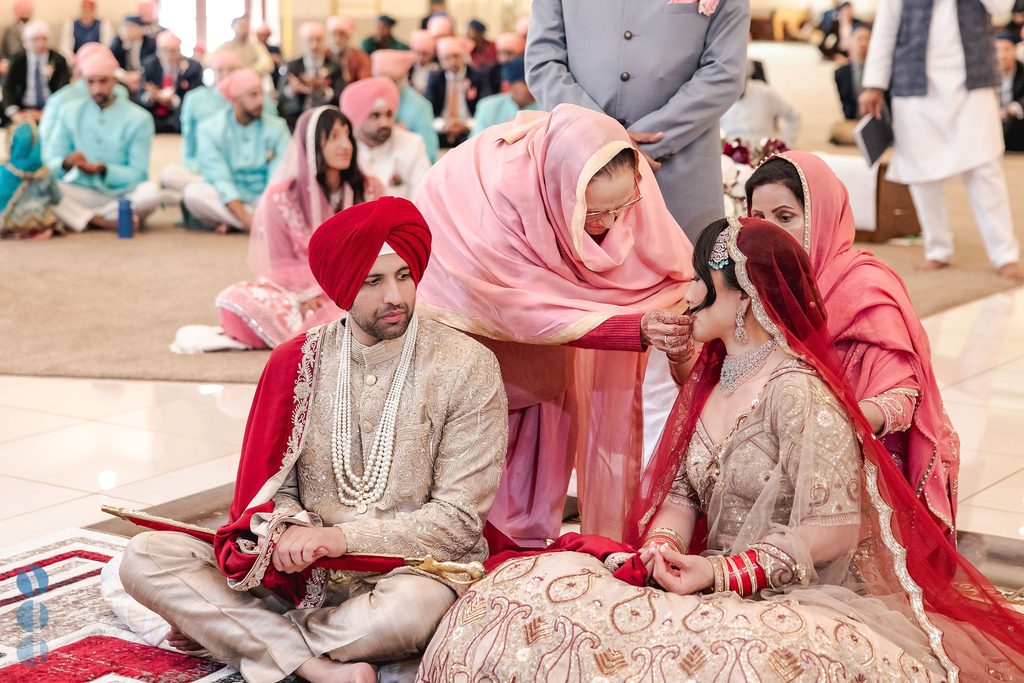
- Milni: A ceremonial greeting between members of the two families.
- Anand Karaj: The Sikh religious wedding ceremony.
- Laavan: The four sacred wedding hymns associated with the marriage ceremony.
- Langar: A communal meal often shared following the Gurdwara ceremony.
- Wedding Reception: A celebration featuring dinner, music, dancing, and family traditions.
Not every couple incorporates every tradition.
Additionally, family customs and Gurdwara requirements may differ.
For this reason, an experienced multicultural wedding planner should coordinate closely with the couple, their families, and the Gurdwara.
Planning a Western Wedding Ceremony Alongside the Anand Karaj
A Western wedding ceremony provides an opportunity to incorporate traditions meaningful to the couple and their families.
Depending on the couple’s preferences, the ceremony may include:
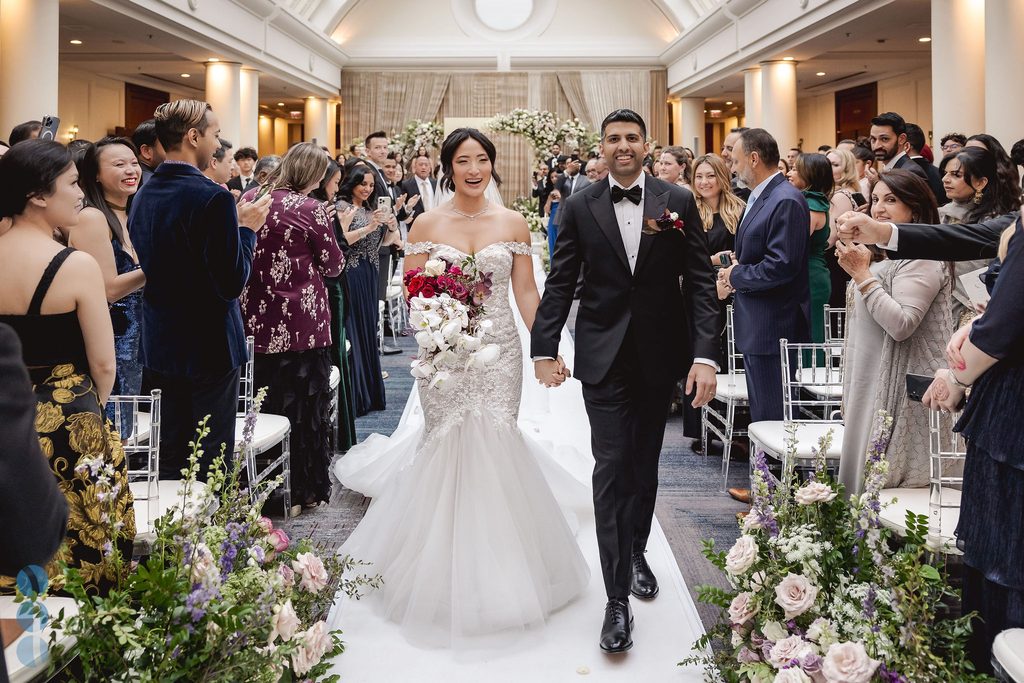
- A wedding processional
- Personal vows
- An exchange of rings
- Readings or blessings
- Family participation
- A unity ritual
- A recessional
Some couples envision an outdoor garden ceremony, while others prefer an elegant ballroom or private estate.
For Sikh and Western fusion weddings, the Western ceremony may take place after the Anand Karaj or on a separate day.
The most important consideration is creating a schedule that respects both ceremonies.
At Denise Lillie Engagements, we help couples coordinate the details between celebrations, including transportation, attire changes, photography, vendor schedules, and guest hospitality.
Should You Have Both Wedding Ceremonies on the Same Day?
One of the most common questions couples face is whether to host both ceremonies on the same day or spread them across a wedding weekend.
Both approaches can create beautiful celebrations.
However, each requires a different planning strategy.
Option One: A Sikh and Western Wedding on the Same Day
A one-day celebration may begin with a traditional Anand Karaj at a Gurdwara.
Afterward, guests enjoy langar or another meal before transitioning to the Western ceremony venue.
Later, the couple exchanges personal vows during an afternoon ceremony.
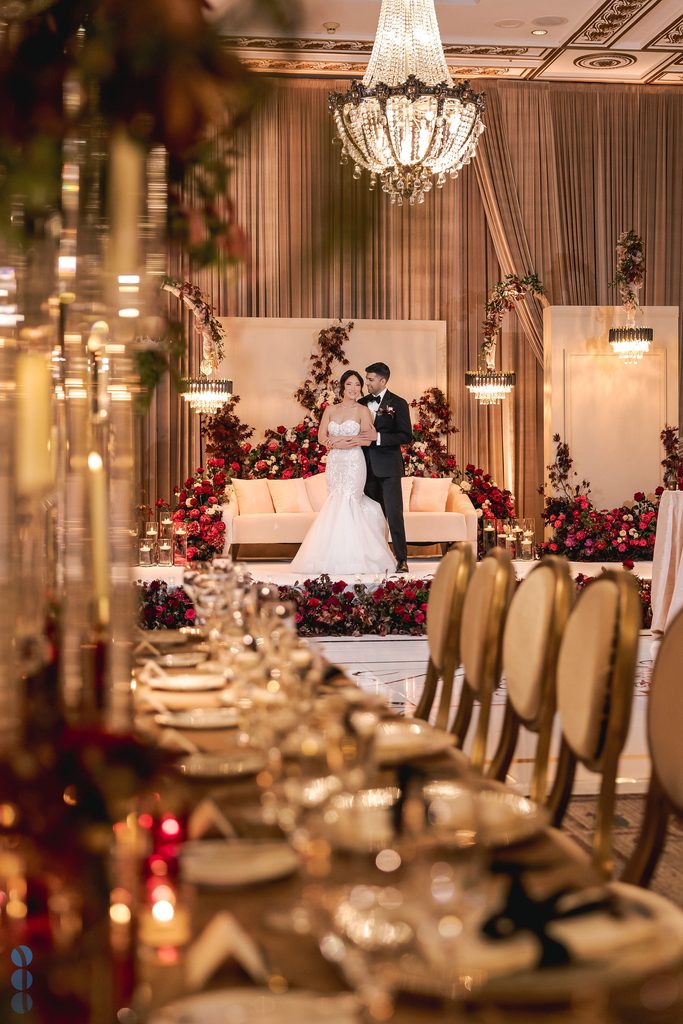
The evening concludes with cocktail hour, dinner, and a wedding reception.
This approach allows guests to experience both traditions in one day.
However, it also requires careful attention to timing.
Transportation, photography, outfit changes, and venue setup must work together.
Sample One-Day Sikh and Western Wedding Timeline
| Time | Wedding Event |
|---|---|
| 3:00 AM | Hair, makeup, and wedding preparations |
| 7:00 AM | Family photographs and final preparations |
| 8:45 AM | Arrival at the Gurdwara |
| 9:30 AM | Milni and family greetings, if included |
| 10:00 AM | Breakfast |
| 11:00 AM | Anand Karaj ceremony |
| 12 NOON | Langar and family photographs |
| 1:30 PM | Travel to Western ceremony venue |
| 2:00 PM | Outfit changes and wedding preparations |
| 4:30 PM | Western Ceremony |
| 5:00 PM | Cocktail hour |
| 6:00 PM | Wedding reception entrances |
| 6:30 PM | Dinner service |
| 8:00 PM | Dancing and entertainment |
| 11:00 PM | Wedding celebration concludes |
This timeline is illustrative. Anand Karaj scheduling, Gurdwara policies, travel times, and venue requirements will determine the actual wedding-day schedule.
Option Two: A Multi-Day Sikh and Western Fusion Wedding
For couples who want a more relaxed experience, a multi-day wedding may be the ideal choice.
Instead of fitting two ceremonies into one day, each celebration receives its own dedicated time.
For example:
Thursday: Welcome Celebration or Jaggo
Welcome guests with an evening of music, dancing, and family festivities.
Friday: Sikh Wedding Ceremony
Celebrate the Anand Karaj at the Gurdwara, followed by langar and family gatherings.
Saturday: Western Wedding Ceremony and Reception
Exchange personal vows during an elegant Western ceremony, followed by cocktail hour, dinner, and dancing.
Sunday: Farewell Brunch
Conclude the wedding weekend with an intimate gathering for family and friends.
A multi-day celebration also provides opportunities for additional cultural traditions, entertainment, and personalized guest experiences.
At Denise Lillie Engagements, we specialize in coordinating complex wedding weekends while ensuring each event feels intentional and beautifully connected.
How to Coordinate Two Wedding Ceremonies Without Feeling Rushed
Planning a Sikh and Western wedding requires a thoughtful approach to logistics.
While each ceremony has its own traditions, both must fit into a cohesive wedding experience.
1. Confirm Your Gurdwara Requirements Early
Before finalizing your wedding date, contact your preferred Gurdwara.
Confirm ceremony eligibility, scheduling requirements, photography policies, attire expectations, and any other applicable guidelines.
Some Gurdwaras have specific procedures for wedding bookings.
Understanding these requirements early can prevent scheduling conflicts later.
2. Choose Venues That Work Together
Venue selection becomes especially important when planning two ceremonies.
For example, couples may host their Anand Karaj at a Gurdwara in San Jose or Fremont, followed by a Western ceremony and reception at a nearby hotel or private estate.
However, transportation between venues can significantly affect the timeline.
An experienced wedding planner can help evaluate travel times, guest transportation, vendor logistics, and setup requirements.
3. Allow Time for Wedding Attire Changes
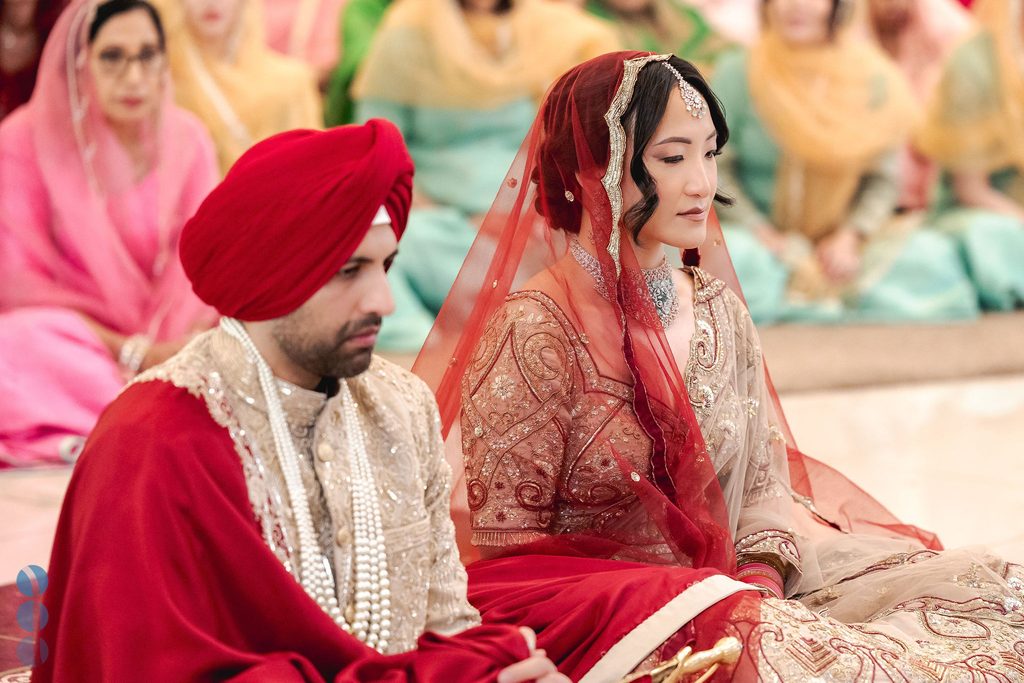
Many couples choose traditional Sikh wedding attire for the Anand Karaj and different attire for their Western ceremony.
These changes require additional time for hair, makeup, dressing, and photography.
Therefore, the wedding timeline should include realistic preparation periods.
4. Coordinate Photography for Both Ceremonies
Both ceremonies deserve thoughtful photographic coverage.
Your photographer should understand the schedule, ceremony restrictions, family portrait requirements, and important cultural moments.
Additionally, the photography team must account for travel and equipment transitions between venues.
5. Create a Detailed Wedding Weekend Timeline
A comprehensive timeline connects every aspect of your celebration.
This includes ceremony schedules, transportation, vendor arrivals, meals, photography, entertainment, and guest transitions.
Most importantly, it allows you and your families to remain present throughout the wedding.
How to Honor Both Families During a Sikh and Western Wedding
A multicultural wedding brings together families who may have different expectations.
One family may place particular importance on the Anand Karaj. Meanwhile, another may be especially excited about the Western wedding ceremony.
Both celebrations deserve respect and thoughtful consideration.
We encourage couples to begin by discussing which traditions matter most to each family.
Next, consider how relatives can participate in meaningful ways.
For example, family members may participate in the Milni, offer readings during the Western ceremony, or contribute to reception traditions.
Additionally, couples may include explanations of unfamiliar customs in their wedding programs.
These thoughtful details help guests feel connected to the celebration.
At Denise Lillie Engagements, we believe successful multicultural weddings honor family traditions while remaining authentic to the couple.
Choosing the Right Bay Area Venues for a Sikh and Western Wedding
The San Francisco Bay Area offers beautiful possibilities for couples planning Sikh and Western weddings.
However, selecting venues for two ceremonies requires careful consideration.
Couples should evaluate:
- Proximity between the Gurdwara and Western ceremony venue
- Guest capacity and parking
- Transportation requirements
- Catering policies
- Preparation and changing rooms
- Photography locations
- Indoor and outdoor ceremony options
- Reception space and dance floor capacity
- Vendor setup and breakdown requirements
For couples planning celebrations in San Jose, Fremont, Pleasanton, Palo Alto, San Francisco, or Napa Valley, the right venue combination can make a significant difference.
A wedding planner familiar with Northern California can help identify suitable locations and coordinate the logistics between them.
Why Hire a Sikh and Western Fusion Wedding Planner?
Planning two wedding ceremonies requires more than a traditional wedding-day timeline.
It involves coordinating distinct religious and cultural traditions, multiple venues, family expectations, and often several days of celebrations.
A planner experienced in multicultural weddings can help manage these details while creating a cohesive guest experience.
At Denise Lillie Engagements, we specialize in luxury multicultural wedding planning and design throughout the San Francisco Bay Area.
Our services include:
Full-Service Wedding Planning and Design
From venue selection and vendor recommendations to design development and event coordination, we guide couples through the planning process.
Multi-Day Wedding Planning
We coordinate wedding weekends featuring multiple ceremonies, cultural celebrations, welcome events, and receptions.
Partial Wedding Planning
For couples who have already begun planning, we provide professional guidance to bring the remaining details together.
Wedding Coordination
As the wedding approaches, we assist with timeline development, vendor communication, logistical planning, and professional event coordination.
Our approach is collaborative, organized, and deeply personal.
We understand that your wedding is more than a celebration. It’s an opportunity to honor your families and begin your marriage surrounded by the people who matter most.
Frequently Asked Questions About Sikh and Western Weddings
Can you have a Sikh wedding and a Western wedding ceremony?
Yes, when the couple meets the applicable requirements for an Anand Karaj. Couples may also choose a Western ceremony that incorporates personal vows, rings, and other meaningful traditions. Confirm Anand Karaj eligibility directly with the chosen Gurdwara.
Can we have an Anand Karaj and a Western ceremony on the same day?
Yes. When both ceremonies are appropriate for the couple, they can take place on the same day. However, the timeline must account for Gurdwara scheduling, transportation, outfit changes, photography, and guest hospitality.
Is it better to have a Sikh and Western wedding over two days?
For some couples, a multi-day celebration provides a more relaxed experience. It also allows each ceremony to receive dedicated attention. However, the best option depends on the couple’s preferences, venue logistics, and guest experience.
How do you plan a Sikh wedding with a non-Sikh partner?
Start by speaking directly with your chosen Gurdwara about religious requirements and ceremony eligibility. If an Anand Karaj is not available, couples can explore other appropriate ways to celebrate their marriage and honor Sikh family traditions.
What should guests wear to a Sikh and Western wedding?
Guest attire depends on the event. For the Gurdwara, guests should follow the venue’s requirements, including appropriate head coverings, removing shoes and respectful clothing. Western ceremony and reception attire may follow a separate dress code.
Do we need a wedding planner for two ceremonies?
While a planner isn’t required, professional coordination can be especially helpful when organizing two ceremonies, multiple venues, and cultural traditions. A detailed planning approach helps reduce logistical challenges and creates a smoother experience.
Do you plan Sikh and Western weddings in the San Francisco Bay Area?
Yes. Denise Lillie Engagements provides multicultural wedding planning and design services throughout San Jose, Fremont, Pleasanton, Silicon Valley, San Francisco, Napa Valley, and the greater Bay Area.
Planning a Sikh and Western Wedding in the Bay Area?
Your wedding should celebrate every part of your love story.
Whether you’re planning a traditional Anand Karaj and an elegant Western ceremony on the same day or envisioning an elaborate multi-day celebration, each tradition deserves thoughtful attention.
At Denise Lillie Engagements, we specialize in luxury multicultural weddings that bring families, cultures, and meaningful traditions together.
We help couples coordinate the details, navigate complex wedding timelines, and create sophisticated celebrations that reflect their personal vision.
Two Ceremonies. Two Traditions. One Extraordinary Celebration.
We would love to learn about your wedding plans, family traditions, and vision for your celebration.
Schedule a private wedding consultation with Denise Lillie Engagements via our calendar below to discuss your wedding date, ceremony locations, and planning needs.
Visit deniselillie.com to inquire about availability.
Honoring your traditions. Celebrating your love story. Creating extraordinary experiences.